Archives
- 2026-06
- 2026-05
- 2026-04
- 2026-03
- 2026-02
- 2026-01
- 2025-12
- 2025-11
- 2025-10
- 2023-07
- 2023-06
- 2023-05
- 2023-04
- 2023-03
- 2023-02
- 2023-01
- 2022-12
- 2022-11
- 2022-10
- 2022-09
- 2022-08
- 2022-07
- 2022-06
- 2022-05
- 2022-04
- 2022-03
- 2022-02
- 2022-01
- 2021-12
- 2021-11
- 2021-10
- 2021-09
- 2021-08
- 2021-07
- 2021-06
- 2021-05
- 2021-04
- 2021-03
- 2021-02
- 2021-01
- 2020-12
- 2020-11
- 2020-10
- 2020-09
- 2020-08
- 2020-07
- 2020-06
- 2020-05
- 2020-04
- 2020-03
- 2020-02
- 2020-01
- 2019-12
- 2019-11
- 2019-10
- 2019-09
- 2019-08
- 2019-07
- 2019-06
- 2019-05
- 2019-04
- 2018-11
- 2018-10
- 2018-07
-
Recent studies have shown that the extracellular regulated p
2021-01-18
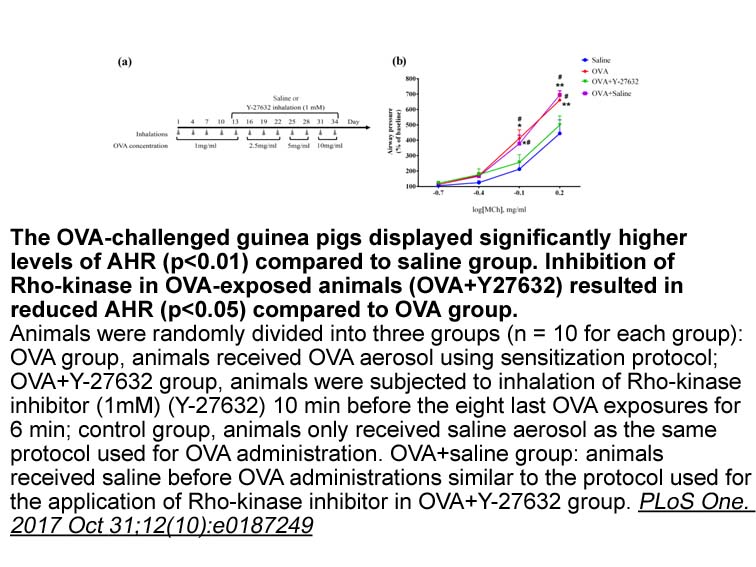
Recent studies have shown that the extracellular regulated protein kinase 1 and 2 (ERK1 and ERK2), commonly referred to collectively as ERK 1/2, are members of the mitogen-activated protein kinase (MAPK) family. This family of kinases transport signals from the surface of the cell to the nucleus, th
-
Neutrophils produce high amounts of
2021-01-18
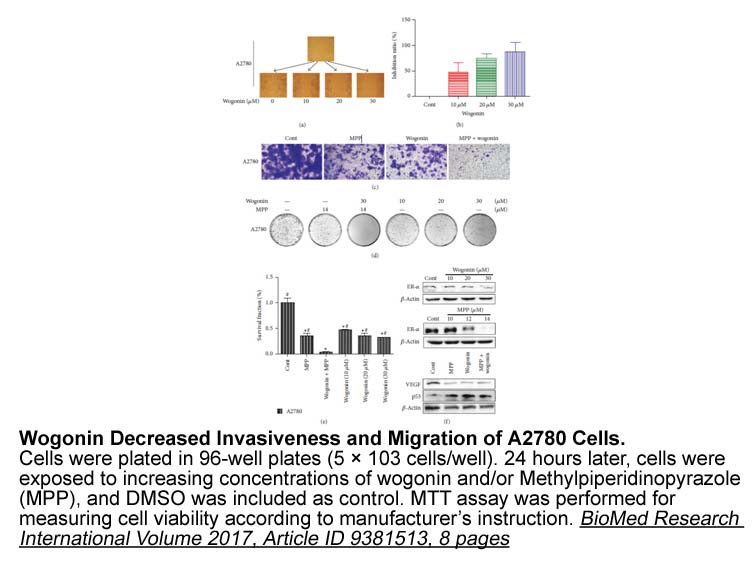
Neutrophils produce high amounts of ROS, which act as antimicrobial agents, signaling molecules or initiators during PMA-induced NET formation. Of the intravenous anesthetics used in this study, propofol was the best at decreasing PMA-induced ROS levels (Fig. 3A and B). Our previous study also demon
-
br Conclusions Enzyme prodrug therapy mediated by implantabl
2021-01-18
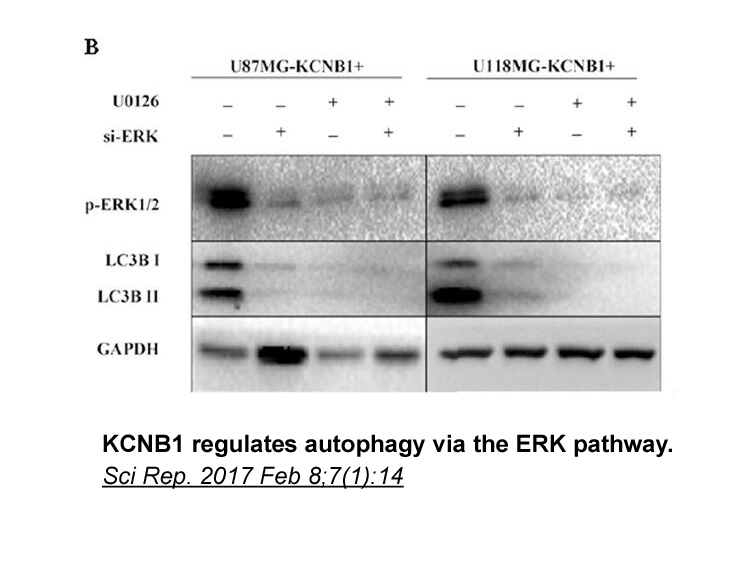
Conclusions Enzyme prodrug therapy mediated by implantable biomaterials combines the benefits offered by the site specific drug delivery techniques and the systemic administration of drugs. From the former, SMEPT inherits the localized mode of drug delivery with lower systemic distribution of the
-
The role of activation of xenosensor nuclear
2021-01-18
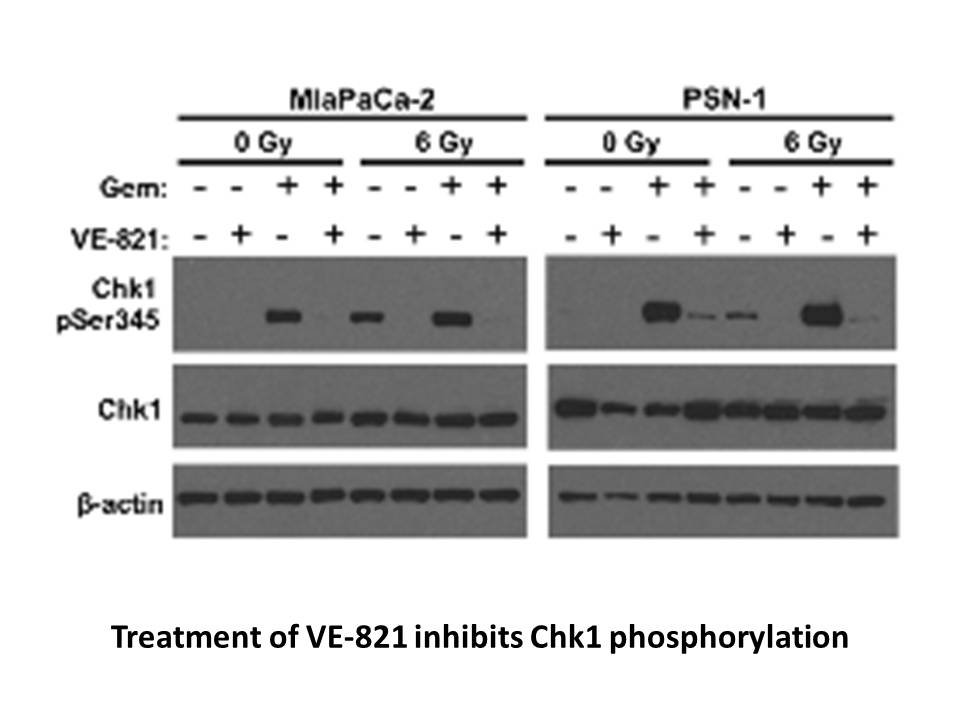
The role of activation of xenosensor nuclear receptors such as PPARα, CAR, and PXR in producing hepatomegaly and liver tumors in rodents has been well-established (Klaunig et al., 2003, Lake, 2009). In the case of PPARα, the increase in liver weight results from increased peroxisomal mass and expans
-
Pursuant to our in vitro data that
2021-01-18
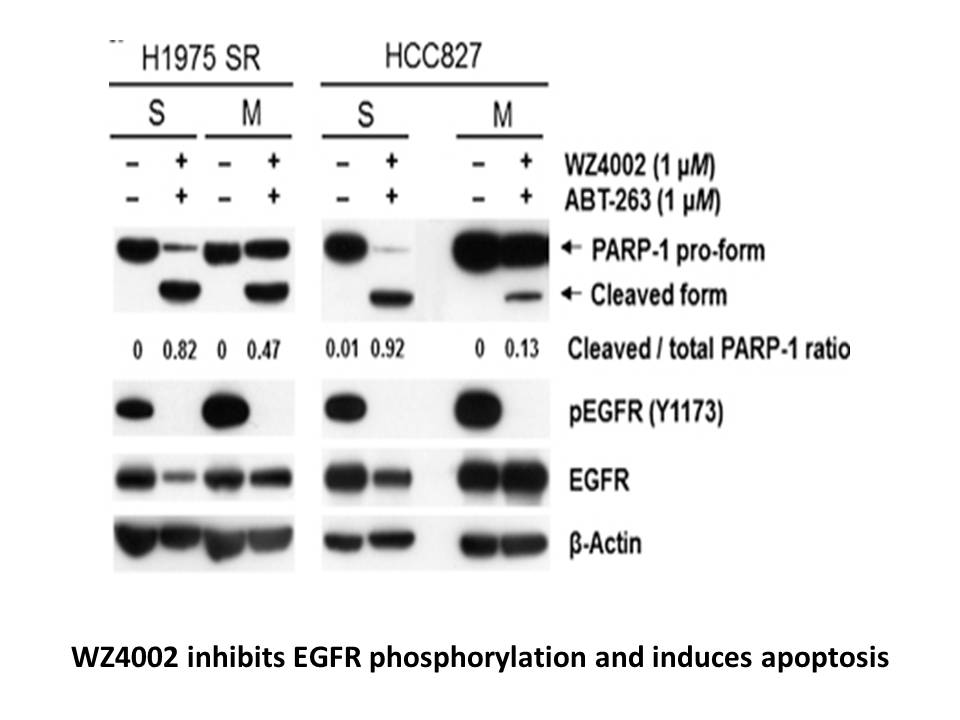
Pursuant to our in vitro data that neutrophilic elastase activated the elastase-dependent oncolytic virus, we initially hypothesized that tumor-infiltrating neutrophils could be the source for elastase in tumor tissue. However, we did not detect neutrophils in the PANC-1 tumor tissue where we observ
-
At baseline mutant allele frequency
2021-01-18
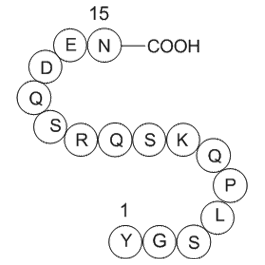
At baseline, mutant allele frequency of EGFR in tissue and plasma samples did not correlated with anti-tumor response (Supplementary Fig. 1). Among 35 patients who were positive for cell-free DNA (cfDNA) at baseline, changes of cfDNA during treatment were analyzed. Negative conversion (NC) of cfDNA
-
In addition to grouping cases of
2021-01-18
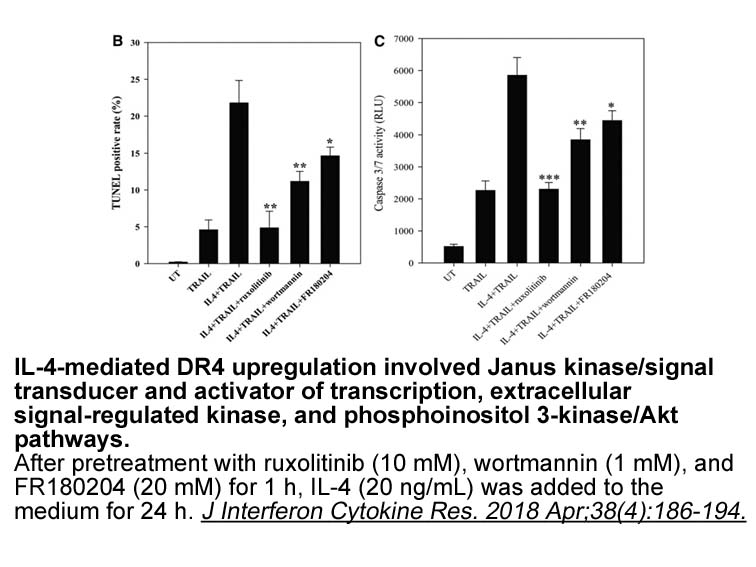
In addition to grouping cases of B-ALL by cell of origin, these lymphomas can also be subcharacterized by genetic rearrangements. Fusion of the purinergic receptor P2RY8 promoter to the CRLF2 (cytokine receptor like factor 2) gene frequently occurs in B-ALL but reports of the functional consequences
-
Covalent inhibitors are well suited
2021-01-18
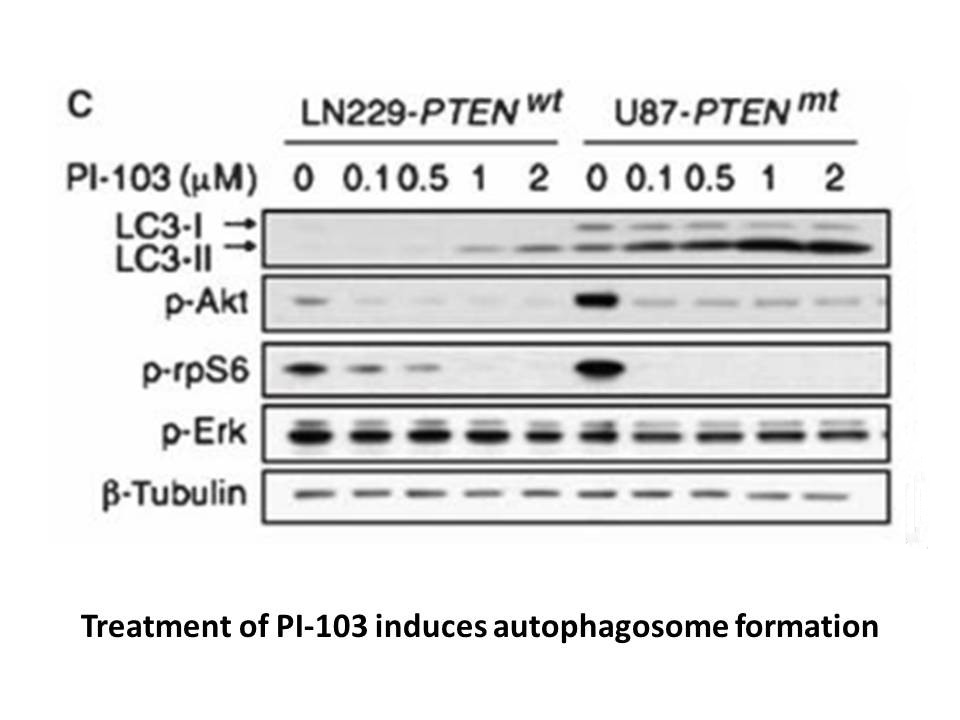
Covalent inhibitors are well suited for targeting the E1 protease inhibitor of Ubl modifications. Because the E1 enzymes in Ubl modifications, such as the SUMO E1 and Atg7, have a slow turnover rate (Boggio et al., 2004), prolonged inhibition can be achieved without requiring compounds to be stable
-
The thermal behavior of the UV sensitive nanocomposites was
2021-01-18
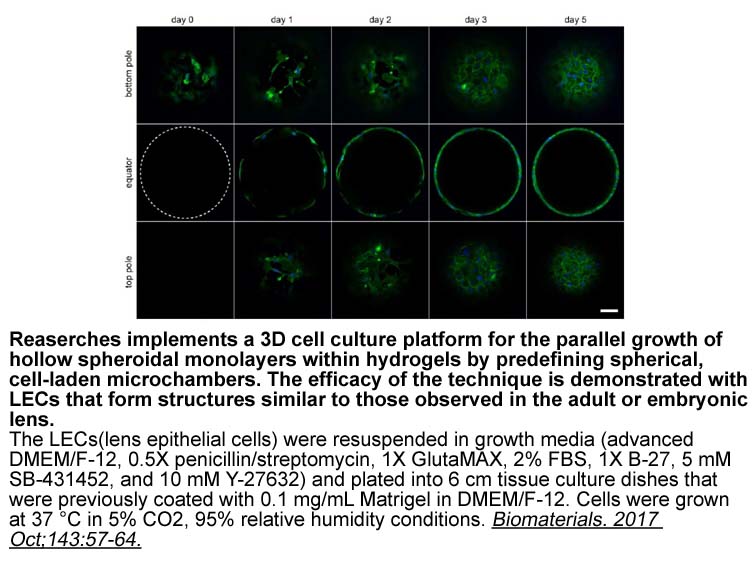
The thermal behavior of the UV-sensitive nanocomposites was investigated by DSC before and after irradiation in an extended temperature range (from −40 to 250 °C). Fig. 4a shows the thermograms of the non-irradiated GNP-DNA/PDMS nanocomposites in comparison with a neat PDMS sample. The filler-loaded
-
The sequence identity of CYP A with
2021-01-18
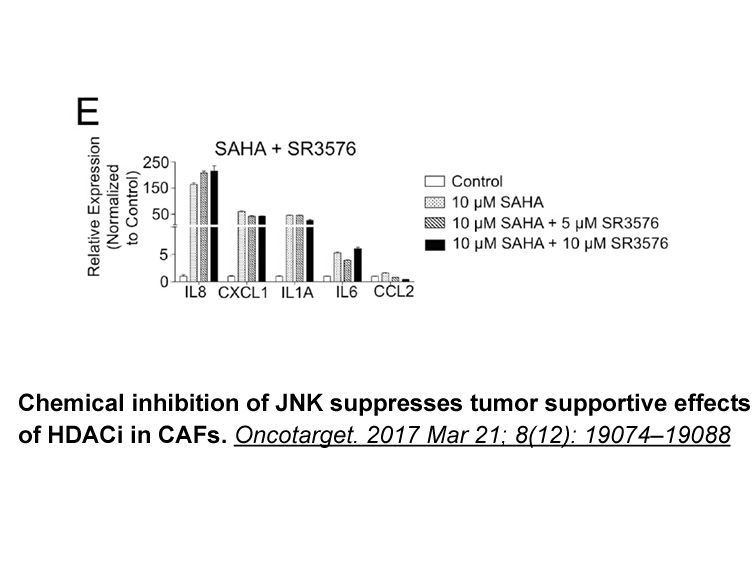
The sequence identity of CYP3A163 with CYP3A sequences from other species is maximum in reptiles ranging (75-91)%, gradually decreasing from btz calculator (63-71)% to mammals 62% to downwards based on evolutionary distances. The high level of homology with CYP3A77 in Alligator mississippiensis sugg
-
The mammalian two hybrid results
2021-01-18
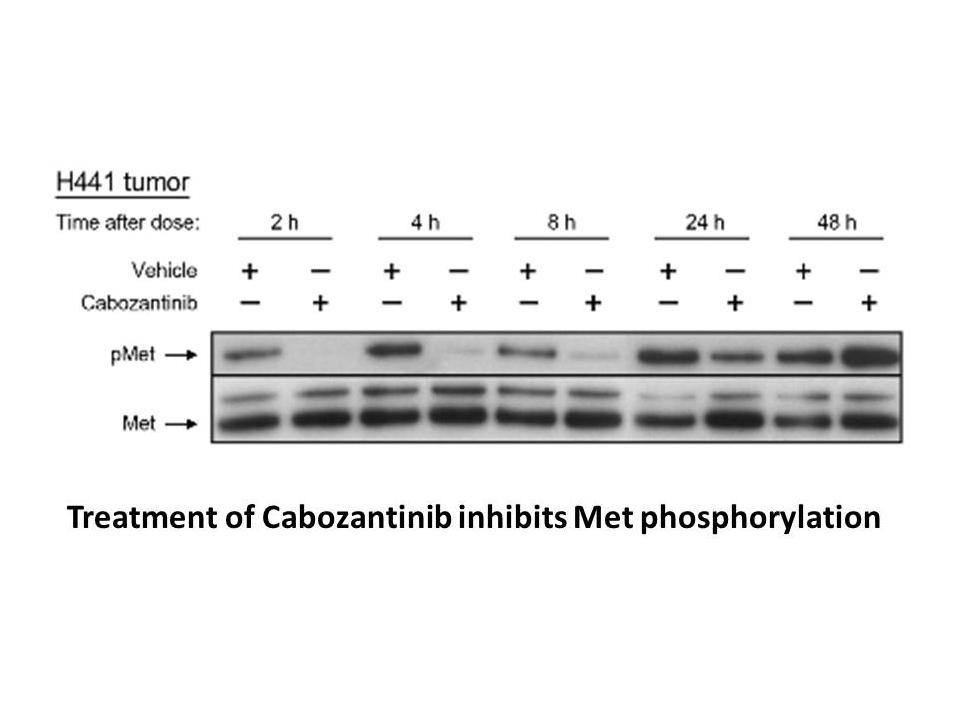
The mammalian two-hybrid results described above were all obtained in 293T cells, and thus the higher RLU observed specific to the hCrm1 fusion could be consistent with human 3X FLAG Peptide having an unknown activator that interacts with hCrm1 HEAT repeat 9A and somehow facilitates Crm1-Rev/RRE fu
-
Fear like behaviors are produced by intracerebroventricular
2021-01-18
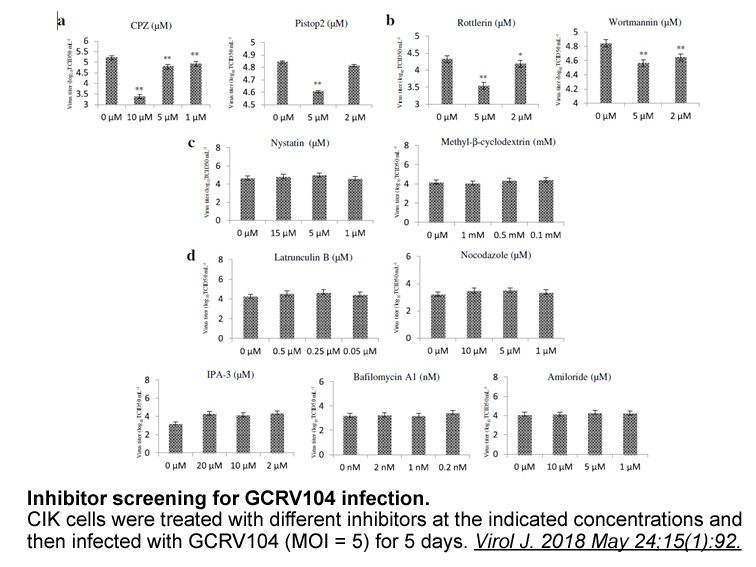
Fear-like behaviors are produced by intracerebroventricular CRF administration (Meloni et al., 2006, Radulovic et al., 1999), as well its administration into specific Wortmannin synthesis areas such as the amygdala (Daniels et al., 2004, Donatti and Leite-Panissi, 2011), the periaqueductal gray mat
-
br Study br Study meta
2021-01-18
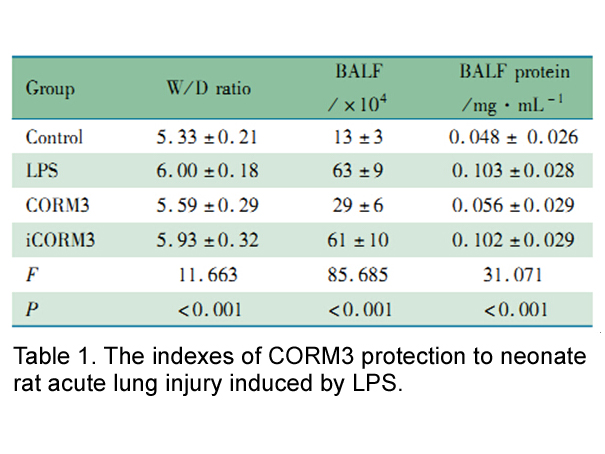
Study 1 Study 2: meta-analyses Discussion Ten studies have examined the associations of 5-HTTLPR and COMT Val158Met with alexithymia. However, the findings were mixed. In this study, we found that neither the 5-HTTLPR nor COMT Val158Met is associated with alexithymia. The previous findings
-
It is not precisely known which of
2021-01-15
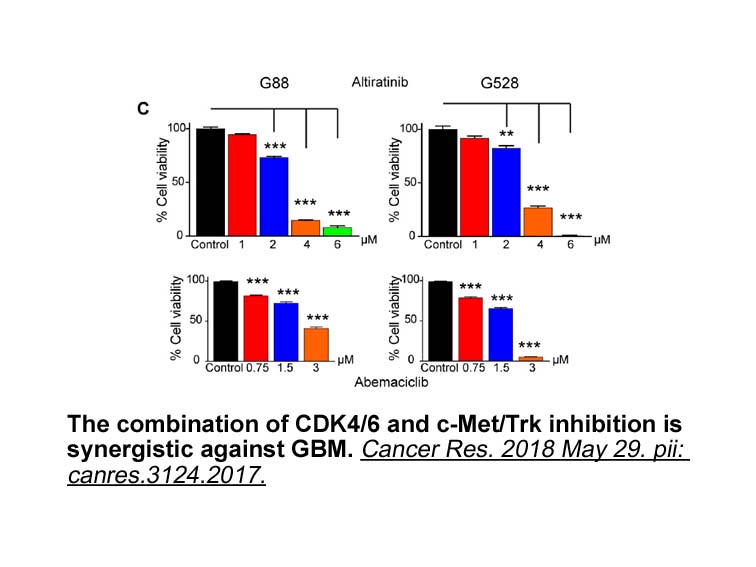
It is not precisely known which of the intramolecular interactions created by the SH2 domain, the SH3–SH2 linker and the SH2–kinase linker are essential for the catalytic activity of Csk or how these interactions regulate Csk activity. Thus far it has been shown that site-directed mutagenesis of SH3
-
Our study shows that deletion
2021-01-15
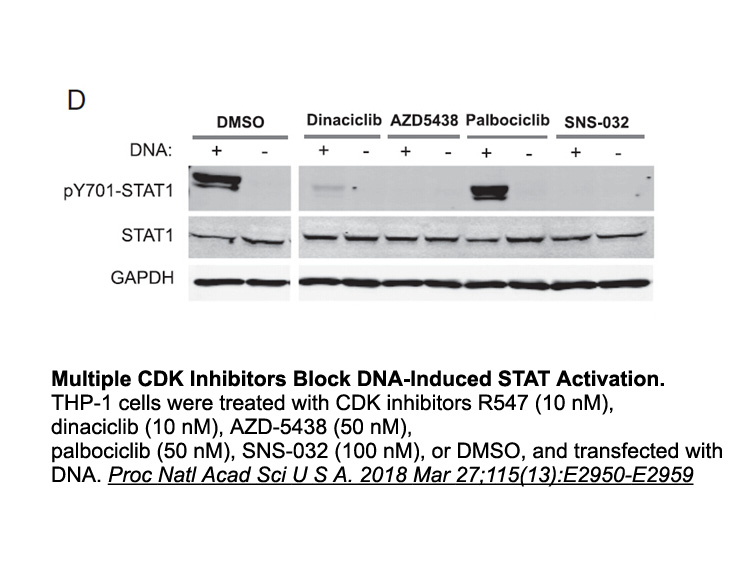
Our study shows that Ropivacaine HCl of Dpf2 in mouse ESCs decreased their self-renewal ability and dramatically impaired their differentiation into mesoderm and endoderm while promoting neural ectoderm differentiation. The differentiation defect to meso-endoderm could be rescued by restoring Tbx3
11844 records 435/790 page Previous Next First page 上5页 431432433434435 下5页 Last page